

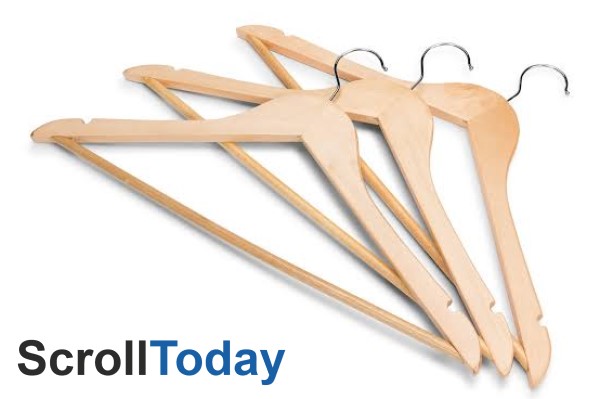
Walk into any wardrobe and you’ll find a jumble of them, wire ones from the dry cleaner, plastic ones that snapped a hook, and the odd wooden coat hanger inherited from a parent. Choosing the right coat hanger seems trivial until you notice your jumpers stretching out of shape or your jackets losing their structure on the wrong hook.
This guide breaks down everything worth knowing about coat hangers, from materials and types to storage solutions like the coat hanger stand, so your wardrobe works harder and your clothes last longer.
Why the Right Coat Hanger Matters
A coat hanger isn’t just a hook with shoulders. The shape, material, and thickness all affect how your garments hang, breathe, and retain their form over time.
Cheap wire hangers, for instance, often leave small dents in shoulder seams and can’t support heavier coats without bending out of shape. A well-made coat hanger, by contrast, distributes weight evenly and keeps garments looking freshly pressed for longer.
Types of Coat Hangers
Not all coat hangers serve the same purpose. Understanding the differences helps you match the right hanger to the right garment.
Wooden Coat Hangers
Wooden coat hangers remain the gold standard for anyone serious about wardrobe care. Their sturdy build and contoured shoulders support heavier items like coats, blazers, and suit jackets without warping.
Key benefits of wooden coat hangers include:
- Durability — they last years longer than plastic or wire alternatives
- Shape retention — the curved design mimics natural shoulder lines
- Moisture resistance — cedar varieties help repel moths and absorb odours
- Aesthetic appeal — a matching set of wooden coat hangers gives any wardrobe a tidier, more polished look
The main downside is cost. Wooden coat hangers are pricier than plastic or wire, though their longevity often justifies the investment.
Plastic Coat Hangers
Plastic hangers are lightweight, affordable, and widely available. They suit everyday shirts, trousers, and lighter garments well, though thinner varieties can snap under the weight of heavier coats.
Wire Coat Hangers
Wire hangers are the ones you bring home from the dry cleaner without ever meaning to keep. They’re fine for temporary use but poor for long-term storage, as their thin profile can distort garment shape and leave visible marks on delicate fabric.
Velvet and Flocked Coat Hangers
These slim, non-slip hangers work brilliantly for silky or delicate fabrics that tend to slide off standard hangers. Their thin design also saves wardrobe space, making them popular in smaller flats and shared wardrobes.
Padded Coat Hangers
Padded coat hangers add a soft layer around the frame, making them ideal for delicate items like blouses, silk dresses, or lingerie. They prevent creasing while still offering more support than a plain wire option.
Comparing Coat Hanger Materials
| Material | Best For | Durability | Cost |
|---|---|---|---|
| Wood | Coats, suits, blazers | High | £–££ |
| Plastic | Everyday shirts, trousers | Medium | £ |
| Wire | Temporary use only | Low | Free (usually) |
| Velvet/Flocked | Silky, delicate fabrics | Medium–High | ££ |
| Padded | Blouses, dresses, lingerie | Medium | ££ |
How to Choose the Right Coat Hanger
Selecting the correct coat hanger depends on the garment, the storage space, and how often you rotate your wardrobe. A few practical guidelines make the decision easier.
- Match the hanger to the garment weight. Heavier coats need wooden coat hangers; lighter shirts can manage on plastic.
- Check the shoulder width. A hanger too narrow or too wide will distort the garment’s shape over time.
- Consider your wardrobe space. Slim velvet designs suit tight spaces, while bulkier wooden ones need more room.
- Think about consistency. A uniform set of coat hangers not only looks neater but also makes wardrobe organisation faster.
The Coat Hanger Stand: An Underrated Storage Solution
While most people focus on the hanger itself, the coat hanger stand often gets overlooked, despite being one of the most practical additions to a hallway or bedroom. A coat hanger stand is a freestanding rack, typically made from wood or metal, designed to hold coats, hats, scarves, and bags without needing wall space.
Benefits of a Coat Hanger Stand
- No installation required — unlike wall-mounted hooks, a coat hanger stand needs no drilling
- Portability — easy to move between rooms or reposition as needed
- Extra storage — many designs include hooks, shelves, or umbrella stands built in
- Ideal for renters — a practical option for anyone unable to alter walls in a rented property
Where to Place a Coat Hanger Stand
Most people position a coat hanger stand near the front door for coats and bags on the way in and out. Bedrooms are another common spot, especially for hanging tomorrow’s outfit or items awaiting a wash.
Caring for Your Coat Hangers
Coat hangers need occasional attention to stay in good condition, particularly wooden varieties.
- Wipe wooden coat hangers with a slightly damp cloth every few months to prevent dust build-up
- Check for splinters or rough edges, especially on older wooden hangers, and sand them down if needed
- Avoid overloading plastic hangers, as excess weight causes cracking at the hook
- Store spares neatly rather than letting wire hangers pile up in a corner
Frequently Asked Questions
Are wooden coat hangers worth the extra cost? Generally, yes. Wooden coat hangers last significantly longer than plastic or wire options and better protect the shape of heavier garments, making them a worthwhile investment for long-term wardrobe care.
Can I use one type of coat hanger for my entire wardrobe? It’s possible, but not ideal. Different garments benefit from different hanger types, heavier coats need wooden support, while delicate fabrics do better on padded or velvet designs.
What’s the benefit of a coat hanger stand over a wardrobe? A coat hanger stand offers quick, accessible storage without needing wall space or wardrobe room, making it especially useful in hallways, small flats, or rental properties.
How many coat hangers does the average wardrobe need? This varies by household, but a rough guide is one hanger per hanging garment, plus a few spares. Most single wardrobes hold between 30 and 50 coat hangers comfortably.
Do wire coat hangers damage clothes? Over time, yes. Their thin profile can leave shoulder dents and struggle to support heavier fabrics, making them unsuitable for long-term storage.
Final Thoughts
A coat hanger might seem like a small, unremarkable object, but the right choice makes a genuine difference to how your clothes look and last. Whether you opt for classic wooden coat hangers, space-saving velvet designs, or a practical coat hanger stand for your hallway, matching the hanger to the garment pays off in the long run.
Take a look through your current collection of coat hangers today. Swapping out the tired wire ones for sturdier alternatives is a small change that noticeably extends the life of your wardrobe.
