

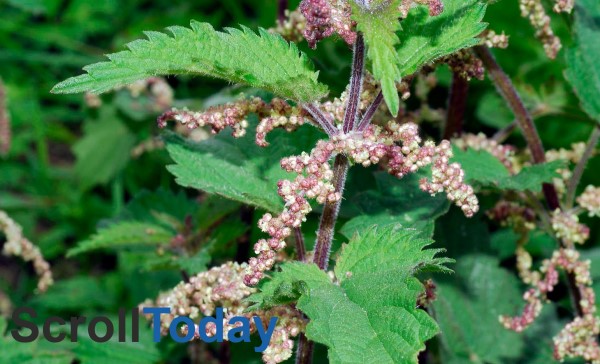
Most people know urtica dioica by a far less scientific name: stinging nettle. It’s the plant that catches you off guard on a country walk, leaving a burning rash on your ankle before you even see the leaves. Yet beneath that reputation lies one of the most nutritionally dense and medicinally useful plants growing wild across Britain and much of the temperate world.
This guide covers everything worth knowing about urtica dioica, from its botanical identity to its culinary and therapeutic uses, so you can approach this plant with confidence rather than caution alone.
What Is Urtica Dioica?
Urtica dioica is the botanical name for common stinging nettle, a perennial flowering plant belonging to the Urticaceae family. The genus name “Urtica” derives from the Latin urere, meaning “to burn” a fitting nod to its defensive sting. The species name “dioica” refers to the plant’s dioecious nature, meaning individual plants carry either male or female flowers, rarely both.
You’ll find urtica dioica growing in hedgerows, woodland edges, riverbanks, and disturbed soil across Europe, Asia, North America, and North Africa. It thrives in nitrogen-rich ground, which is why it often clusters near old farmyards, compost heaps, and abandoned buildings.
The plant typically reaches heights of one to two metres, with heart-shaped, serrated leaves arranged in opposite pairs along a square stem. Tiny hollow hairs called trichomes cover the stems and leaf undersides. Brush against one, and these hairs snap off, injecting a cocktail of histamine, formic acid, and other irritants under your skin.
Why Does Urtica Dioica Sting?
The sting is a defence mechanism refined over millions of years. Each trichome works like a miniature hypodermic needle. When touched, the brittle tip breaks away, exposing a sharp point that pierces skin and delivers its chemical payload directly into the wound.
The resulting sensation, burning, itching, sometimes tingling for hours afterwards comes from a mixture of compounds including:
- Histamine, which triggers the itching and inflammation response
- Formic acid, the same compound found in ant bites
- Acetylcholine, contributing to the burning pain
- Serotonin, which may intensify the discomfort
Interestingly, this sting largely disappears once the plant is cooked, dried, or blended, which is exactly why nettle features so widely in soups, teas, and herbal remedies.
Traditional and Modern Uses of Urtica Dioica
Humans have used urtica dioica for thousands of years, and modern research has started catching up with folk wisdom. The plant serves purposes across food, medicine, textiles, and agriculture.
Culinary Uses
Young nettle leaves, picked in early spring before flowering, make an excellent addition to the kitchen. Once cooked or blanched, the sting disappears completely, leaving behind a flavour similar to spinach with a slightly earthier, mineral edge.
Common culinary applications include:
- Nettle soup, a spring classic across much of Europe
- Nettle tea, made from dried or fresh leaves
- Pesto, substituting nettle for basil
- Risotto and pasta fillings
- Fermented nettle “beer” in some traditional recipes
Always wear gloves when harvesting, and only pick the top four to six leaves of each plant, which are the most tender and least fibrous.
Medicinal Applications
Herbalists have relied on urtica dioica for centuries to address a range of complaints, and contemporary studies have examined several of these traditional claims. Research suggests nettle extract may help with:
- Seasonal allergies — some studies indicate freeze-dried nettle leaf can reduce hay fever symptoms
- Joint pain and arthritis — topical nettle application has shown modest benefits in small trials
- Benign prostatic hyperplasia (BPH) — nettle root extract is a common ingredient in supplements aimed at prostate health
- Blood sugar regulation — preliminary research suggests it may support healthy glucose metabolism
- Urinary tract support — traditionally used as a mild diuretic
It’s worth noting that while the evidence base is growing, much of it remains preliminary. Anyone considering urtica dioica supplements for a medical condition should speak with a doctor first, particularly if taking other medications, since nettle can interact with blood thinners, diabetes medication, and blood pressure drugs.
Textile and Agricultural Uses
Before cotton became widely available, nettle fibre was spun into cloth across Europe, particularly in Germany and Scandinavia during wartime shortages. The stem’s long fibres produce a fabric comparable to linen in texture and durability.
In agriculture, nettle is prized as a natural fertiliser. Steeped in water for a few weeks, it produces a nitrogen-rich liquid feed that gardeners use to boost leafy growth in vegetables and ornamentals alike.
Nutritional Profile
Urtica dioica is remarkably nutrient-dense for a plant most people avoid touching. A typical serving of cooked nettle leaves provides meaningful amounts of:
| Nutrient | Approximate Amount (per 100g cooked) |
|---|---|
| Vitamin A | High (as beta-carotene) |
| Vitamin C | Moderate to high |
| Iron | Significant |
| Calcium | Significant |
| Protein | Higher than most leafy greens |
| Magnesium | Moderate |
This nutritional density explains why nettle has featured in traditional spring tonics designed to replenish the body after winter, when fresh greens were scarce.
How to Harvest Urtica Dioica Safely
Foraging for stinging nettle is straightforward once you know a few basic rules.
- Wear thick gloves — leather or heavy-duty gardening gloves work best.
- Use scissors or shears rather than pulling by hand.
- Pick young leaves from the top of the plant, ideally before flowering in early summer, as older leaves develop gritty calcium oxalate crystals that can irritate the kidneys if eaten in large quantities.
- Avoid roadside or contaminated areas, since nettle absorbs pollutants and heavy metals from the soil.
- Rinse thoroughly before cooking to remove insects and debris.
Once cooked or dried, the sting is neutralised, so there’s no risk in eating properly prepared nettle.
Treating a Nettle Sting
If you do brush against urtica dioica while out walking, a few remedies can ease the discomfort:
- Dock leaves, traditionally rubbed on the sting, though scientific evidence for their effectiveness is limited
- Cool water to calm the skin and reduce histamine reaction
- Antihistamine cream for more persistent irritation
- Avoid scratching, as this can break the skin and worsen inflammation
Symptoms typically resolve within an hour or two, though sensitive individuals may experience discomfort for longer.
Frequently Asked Questions
Is urtica dioica the same as stinging nettle? Yes, urtica dioica is the scientific name for the plant commonly called stinging nettle in English.
Can you eat urtica dioica raw? Eating it raw isn’t recommended, as the stinging hairs remain active. Cooking, blanching, or drying deactivates the sting completely.
Does urtica dioica have any proven health benefits? Several small studies support traditional uses, particularly for allergy relief and prostate health, though more large-scale research is needed to confirm these effects conclusively.
How do you get rid of urtica dioica in a garden? Digging out the root system entirely is the most effective method, since the plant spreads via rhizomes. Regular mowing weakens it over time but rarely eliminates it completely.
Is urtica dioica poisonous to pets? The sting can cause discomfort to curious pets that brush against it, but it isn’t typically dangerous. Severe reactions are rare, though it’s sensible to keep an eye on pets that have been stung.
Final Thoughts
Urtica dioica deserves more credit than its sting suggests. Once you understand how to harvest, prepare, and use this plant safely, it becomes a genuinely valuable resource nutritious in the kitchen, useful in the garden, and backed by a growing body of research supporting its traditional medicinal reputation.
Next time you spot urtica dioica growing along a hedgerow, consider it less a hazard and more an opportunity. With a pair of gloves and a little care, this humble plant can earn a permanent place in your kitchen, garden, and herbal cabinet.
