

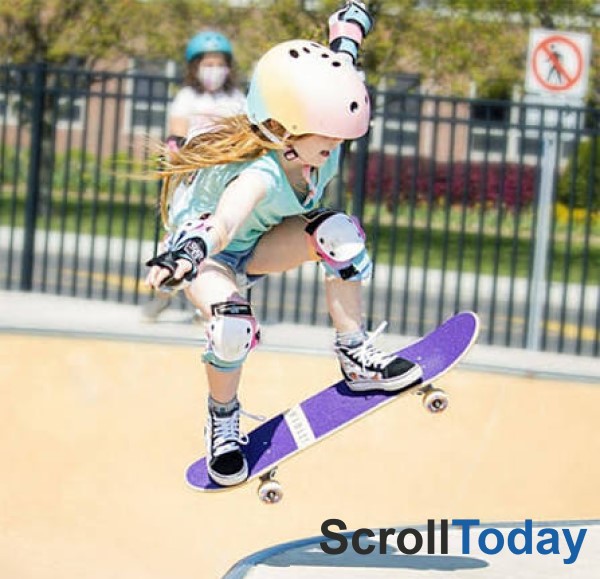
Picking a kids skateboard sounds simple until you actually start comparing options. Deck widths, wheel hardness, truck sizes, board shapes the choices multiply fast, and most parents just want a straight answer about what actually works. This guide gives you that answer, built around real-world sizing, honest safety advice, and the questions parents ask most often.
Whether you’re buying a first kids skateboard or upgrading one your child has outgrown, the goal here is the same: match the board to the rider, not the other way round.
What Makes a Good Kids Skateboard
A good kids skateboard isn’t the one with the flashiest graphics or the lowest price tag. It’s the one sized correctly for the child’s height and foot size, built from decent materials, and fitted with wheels suited to where they’ll actually ride. Get those three things right and everything else, confidence, progress, enjoyment, tends to follow naturally.
Skateboarding also does more than keep kids entertained. It develops core balance, ankle strength, and spatial awareness in a way few other activities manage, and it rewards patience and practice rather than natural size or speed. That’s part of why a properly fitted kids skateboard matters so much more than it might first seem.
Kids Skateboard Sizing: Age, Height, and Deck Width
Deck width is the single most important measurement when buying a skateboard for kids, more so than length. A board that’s too wide is genuinely hard for small feet to control; one that’s too narrow feels twitchy and unstable at speed.
| Age | Approx. Height | Deck Width | Best Suited For |
|---|---|---|---|
| 4–6 years | Under 110cm | 6.5″–7.0″ | First-time balance and cruising |
| 7–9 years | 110–135cm | 7.0″–7.5″ | Beginner tricks, driveway practice |
| 10–12 years | 135–150cm | 7.5″–7.75″ | Skate parks, growing confidence |
| 13+ years | Over 150cm | 7.75″–8.25″ | Street skating, near-adult sizing |
If your child sits between two rows, choosing the narrower deck is almost always the safer call. A slightly smaller kids skateboard is easy to grow into over a season; an oversized one just sits there feeling unmanageable.
A Simple Shoe-Size Shortcut
Not sure where your child falls on the chart? UK shoe size works as a quick stand-in for deck width. Under a size 3 generally pairs well with a 7.0″–7.25″ deck, sizes 3–5 suit 7.5″ decks, and anything above a size 5 usually calls for 7.75″ or wider.
Types of Skateboards for Kids
Several distinct styles fall under “skateboards for kids,” and picking the right category matters as much as sizing.
- Standard popsicle boards – Symmetrical decks used for street skating, ramps, and tricks; the most versatile option long-term.
- Mini cruisers – Shorter and lighter, often fitted with softer wheels, ideal for younger children learning to balance.
- Penny-style plastic boards – Compact and easy to carry, though they flex more and offer less stability for trick progression.
- Longboards – Built for cruising rather than tricks, generally more appropriate for teenagers than younger children.
For a first purchase, a mini cruiser or a smaller popsicle-shaped kids skateboard covers most needs without overcomplicating the decision.
Deck Construction: What Actually Holds Up
Cheap decks fail fast, usually within weeks of regular use. Look for these markers of a properly built kids skateboard before buying:
- 7-ply maple construction – The industry benchmark for strength combined with the right amount of flex.
- Full-length grip tape – Poor grip tape peels at the edges and reduces foot control almost immediately.
- Aluminium trucks – Cheaper alloy trucks bend or crack under repeated impact; aluminium holds up far better.
- Sealed bearings rated ABEC-5 or higher – Smoother bearings mean less effort needed to get moving, which matters for smaller riders.
Spending a little more on construction quality upfront almost always works out cheaper than replacing a snapped board a few months in.
Wheels: The Detail Most Buyers Skip
Wheel hardness, measured on the durometer scale, changes how a board feels more than almost any other spec.
- Soft wheels (78A–87A) grip well and soak up bumps, making them the better fit for pavement riding and complete beginners.
- Medium wheels (88A–95A) balance grip and speed, suiting kids who split time between pavement and smooth skate parks.
- Hard wheels (96A–101A) are fast and precise but transmit every crack and pebble straight through to the rider — better suited to experienced skate park regulars.
Most beginner skateboards for kids should start with softer wheels. Speed and precision can come later, once basic control is second nature.
Safety Equipment Every Rider Needs
No kids skateboard should leave the house without proper protective gear, no matter how steady the rider looks on their first few attempts.
- A certified helmet (look for CE or EN 1078 marking in the UK), fitted snug with no side-to-side movement.
- Wrist guards, since wrists take the brunt of most beginner falls.
- Knee and elbow pads, particularly valuable during the first few weeks of learning balance.
- Flat, grippy trainers rather than sandals, slip-ons, or bare feet.
Letting your child pick their own helmet colour or pad design isn’t a minor detail — it noticeably increases how willingly they’ll actually wear the gear.
Where to Practise Safely
Location matters as much as equipment when a child is new to a kids skateboard. Good starting spots include:
- A flat, obstacle-free driveway or empty car park
- Quiet cul-de-sacs away from traffic
- Beginner-friendly zones at local skate parks, once basic balance and stopping are reliable
Steer clear of hills, uneven pavements, and anywhere near moving traffic until stopping and turning feel automatic rather than effortful.
Mistakes Parents Commonly Make
- Sizing up “for growth.” An oversized kids skateboard undermines confidence more than it saves money.
- Judging boards by graphics alone. Attractive artwork says nothing about deck strength or truck quality.
- Treating safety gear as optional. A helmet costs far less than a trip to A&E.
- Ignoring wheel hardness on a first board. Many entry-level kids skateboards ship with wheels too hard for comfortable pavement riding.
Frequently Asked Questions
What’s the right age to start with a kids skateboard? Most children manage reasonably well from around age 5 or 6 on a smaller board, though readiness varies. A child who’s already confident on a bike or scooter is usually a good candidate.
Should I buy a skateboard or a cruiser for a young beginner? A cruiser generally suits very young or nervous beginners better, thanks to a shorter deck and softer wheels. A standard kids skateboard makes more sense once a child wants to try tricks or visit skate parks regularly.
How much does a decent kids skateboard cost? A well-built beginner board typically falls in the £40–£80 range. Prices well below that usually mean compromises on deck material or truck durability.
Do skateboards for kids need any assembly? Most complete kids skateboards arrive pre-built, though truck tightness often needs adjusting to suit the rider’s weight and confidence level.
Is buying a second-hand kids skateboard sensible? It can be, provided the deck has no visible cracks or delamination and the bearings still spin freely. It’s a low-cost way to gauge interest before committing to a brand-new board.
How do I know when my child has outgrown their skateboard? If their feet noticeably overhang the deck width, or the board feels unstable at a speed they previously handled comfortably, it’s time to size up.
Final Thoughts
Choosing the right kids skateboard really comes down to three decisions done properly: matching deck width to height and shoe size, prioritising solid construction over eye-catching graphics, and never treating safety gear as an afterthought. Handle those well, and the board earns years of genuine use rather than a few short weeks of interest.
Before you buy, measure your child’s height and shoe size, check the sizing table above, and choose a kids skateboard built from real maple ply with aluminium trucks. A few extra minutes of research now is the difference between a board that gets ridden for years and one that ends up gathering dust in the shed.
